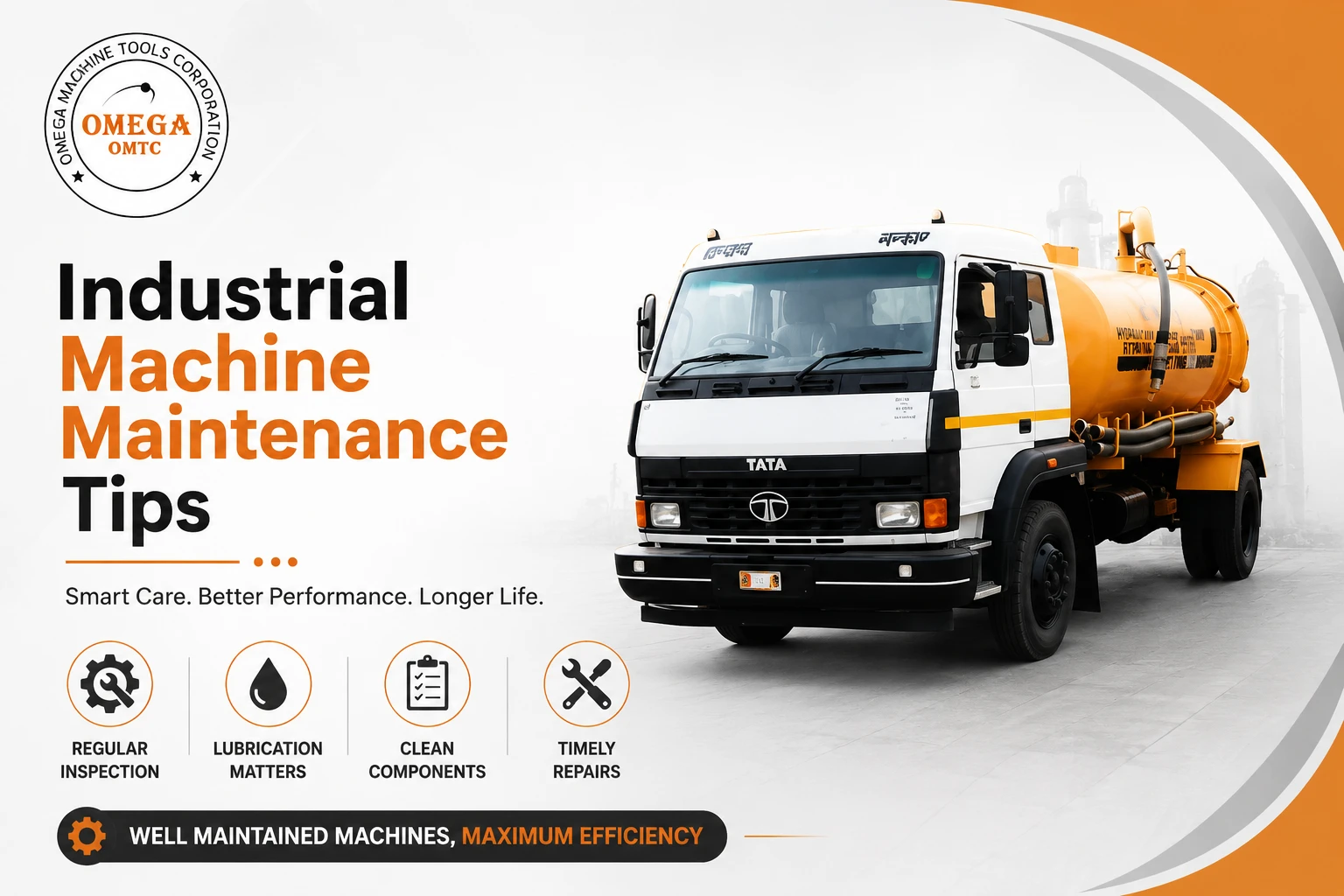
Effective maintenance is the backbone of reliable industrial machine performance, reducing unexpected downtime and preserving capital investments. Routine checks—visual inspections, lubrication schedules, and consumable replacement—form the basis of practical maintenance programs for heavy-duty equipment like sewer jetters, vacuum units, and compactors. Standardized procedures help maintenance teams preserve operational readiness across fleets.
Condition-based monitoring improves maintenance efficiency by replacing calendar-based tasks with actions driven by actual wear indicators, such as vibration analysis, pump pressure trends, or filter differential readings. Implementing basic telemetry and inspection logs allows teams to intervene before failures occur, saving repair costs and preventing disruptive breakdowns.
Operator-driven upkeep is equally important: daily pre-start checks, safe handling of high-pressure hoses, and correct nozzle installation prevent accidents and extend component life. Training operators to recognize warning signs and perform interim fixes reduces repair turnaround and strengthens on-site safety culture.
Sourcing genuine spare parts from a reliable manufacturer-supplier network ensures compatibility and predictable performance. Companies like Omega Machines provide consumables and rebuild kits tailored to their models, which simplifies stocking and shortens repair timelines for municipal and industrial fleets.
Key takeaway: combine scheduled inspections, condition monitoring, operator training, and genuine spare-part sourcing to create a robust maintenance program that maximizes uptime and lowers lifecycle costs.
Explore our latest blogs covering sewer cleaning technologies, industrial machinery, maintenance solutions, smart sanitation systems, and modern waste management innovations.
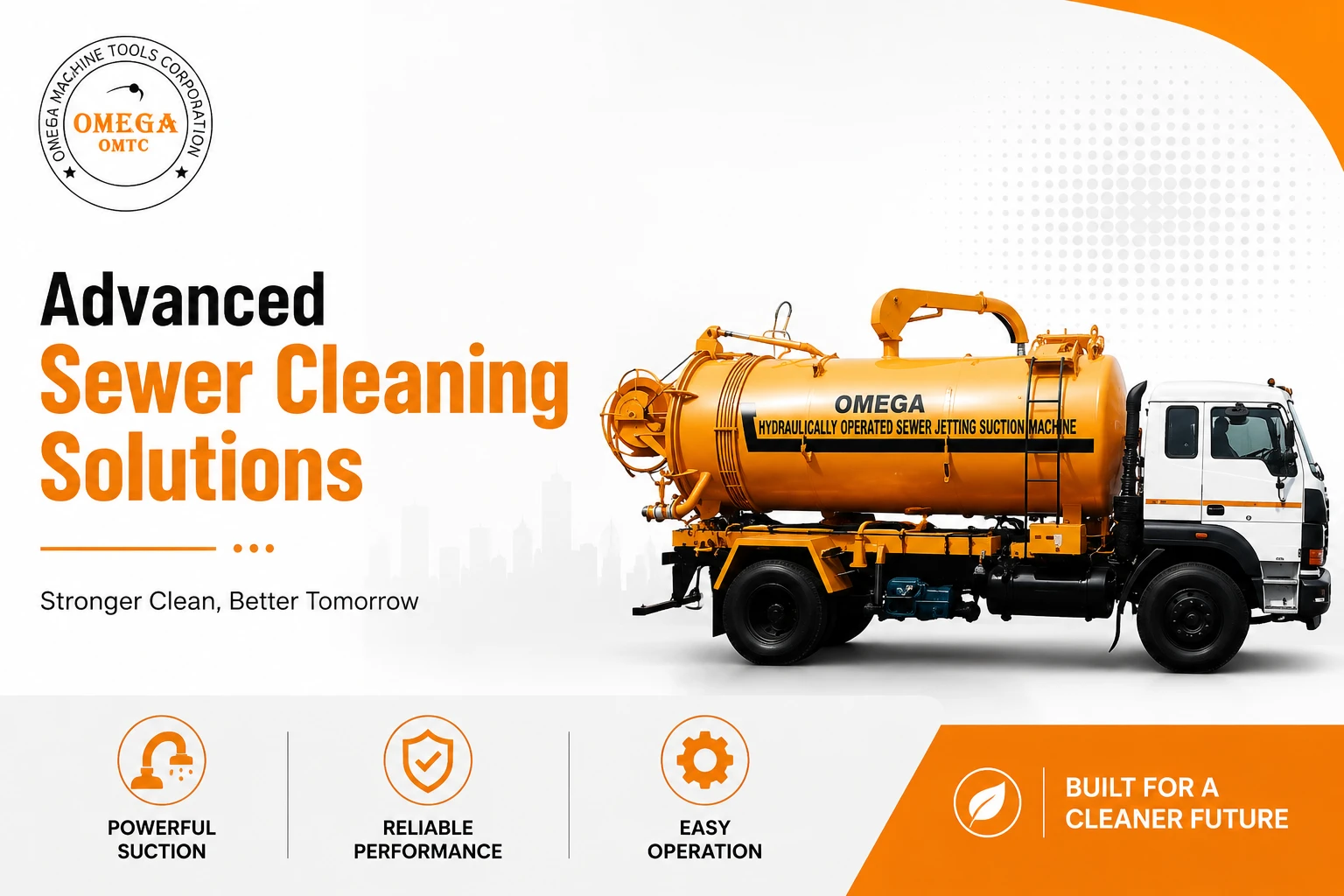
Urban networks and industrial complexes increasingly demand advanced sewer cleaning solutions that combine precision, sp...

Modern waste management technology focuses on containment, efficient transport, and preparing recovered material for tre...
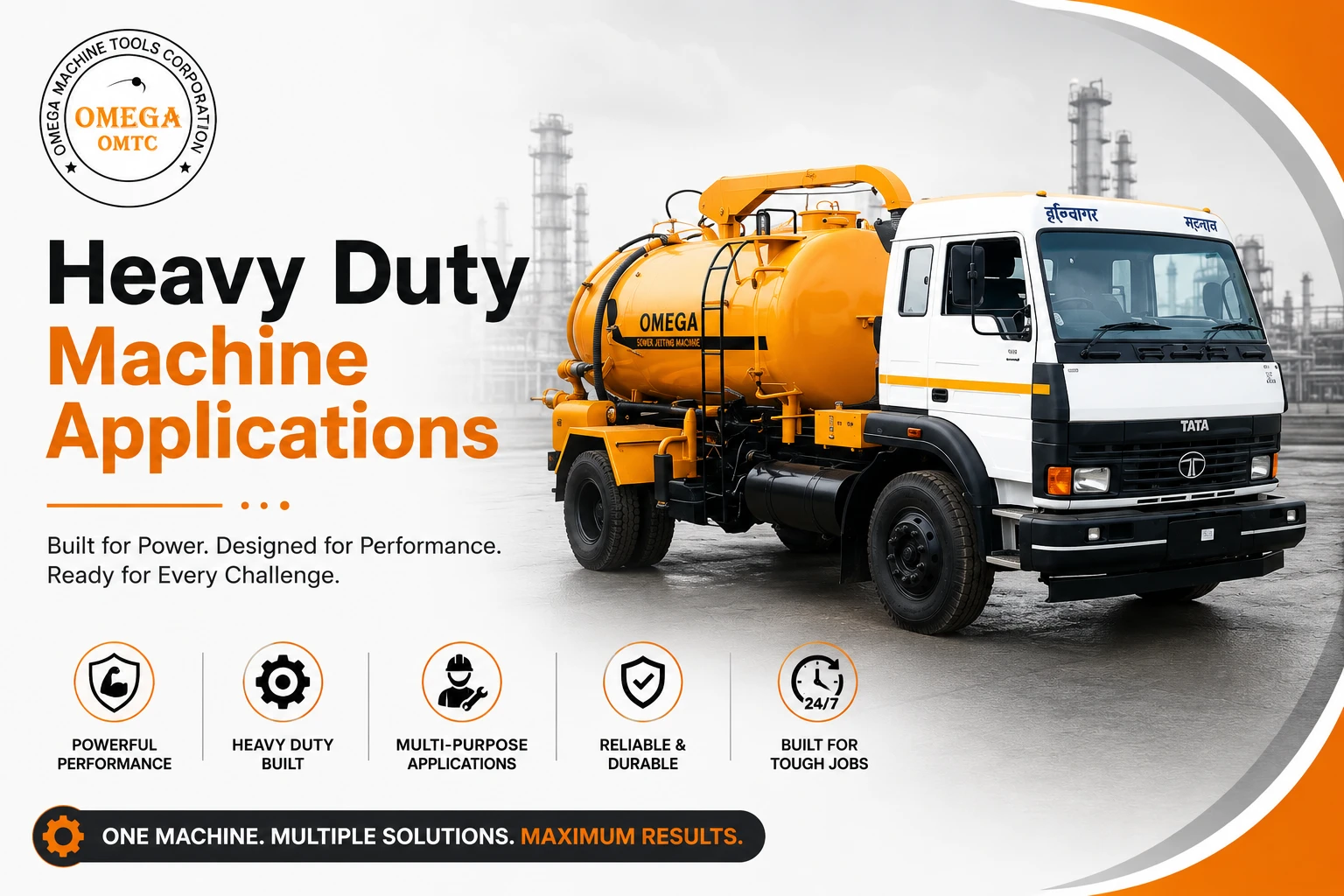
Heavy duty machines serve a spectrum of demanding applications across municipal works, industrial plants, construction p...
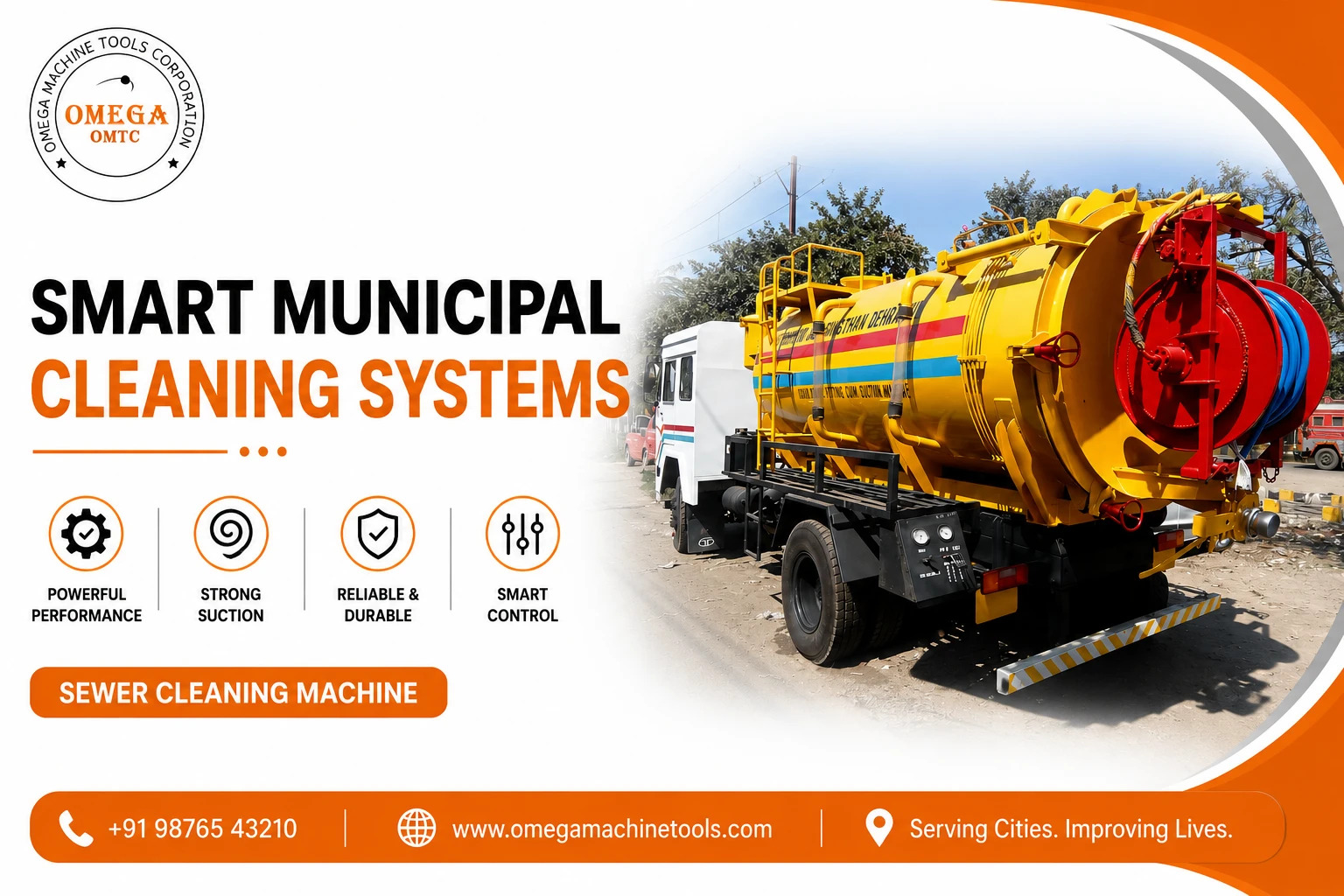
Smart municipal cleaning systems leverage sensors, connectivity, and analytics to prioritize interventions, minimize res...