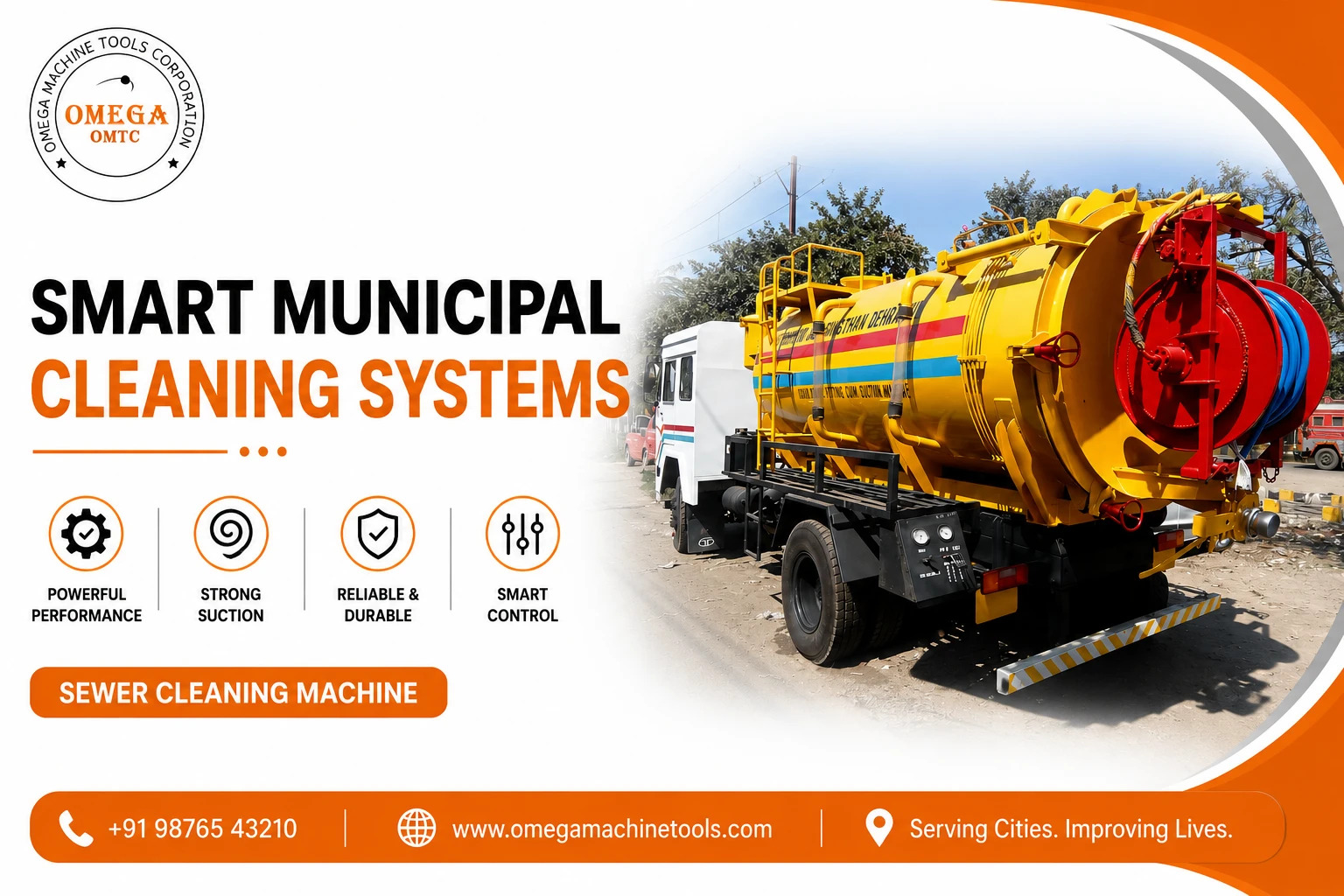
Smart municipal cleaning systems leverage sensors, connectivity, and analytics to prioritize interventions, minimize resource use, and improve public-service delivery. Combining intelligence with equipment—such as sensor-equipped sewer covers, fill-level monitors on recovery tanks, and remotely controlled jetting-suction units—enables authorities to move from scheduled to need-based maintenance.
Real-time alerts and predictive models allow fleets to be dispatched to hotspots before failures occur, conserving crew hours and reducing emergency call-outs. This proactive model improves network resilience and allows municipalities to demonstrate measurable performance improvements to stakeholders.
Interoperability is crucial: systems that communicate with fleet-management platforms, GIS layers, and regulatory reporting tools allow seamless operational planning. Machines produced by experienced suppliers like Omega Machines can be specified with telematics and control interfaces that integrate into these broader municipal systems.
Beyond efficiency, smart systems improve transparency and public engagement by providing data on response times, completed jobs, and environmental outcomes. Such visibility supports funding requests and helps justify capital investments in new equipment or fleet upgrades.
Key takeaway: adopting smart municipal cleaning systems that marry advanced equipment with data and connectivity transforms sewer maintenance from reactive firefighting into strategic, efficient asset management.
Explore our latest blogs covering sewer cleaning technologies, industrial machinery, maintenance solutions, smart sanitation systems, and modern waste management innovations.
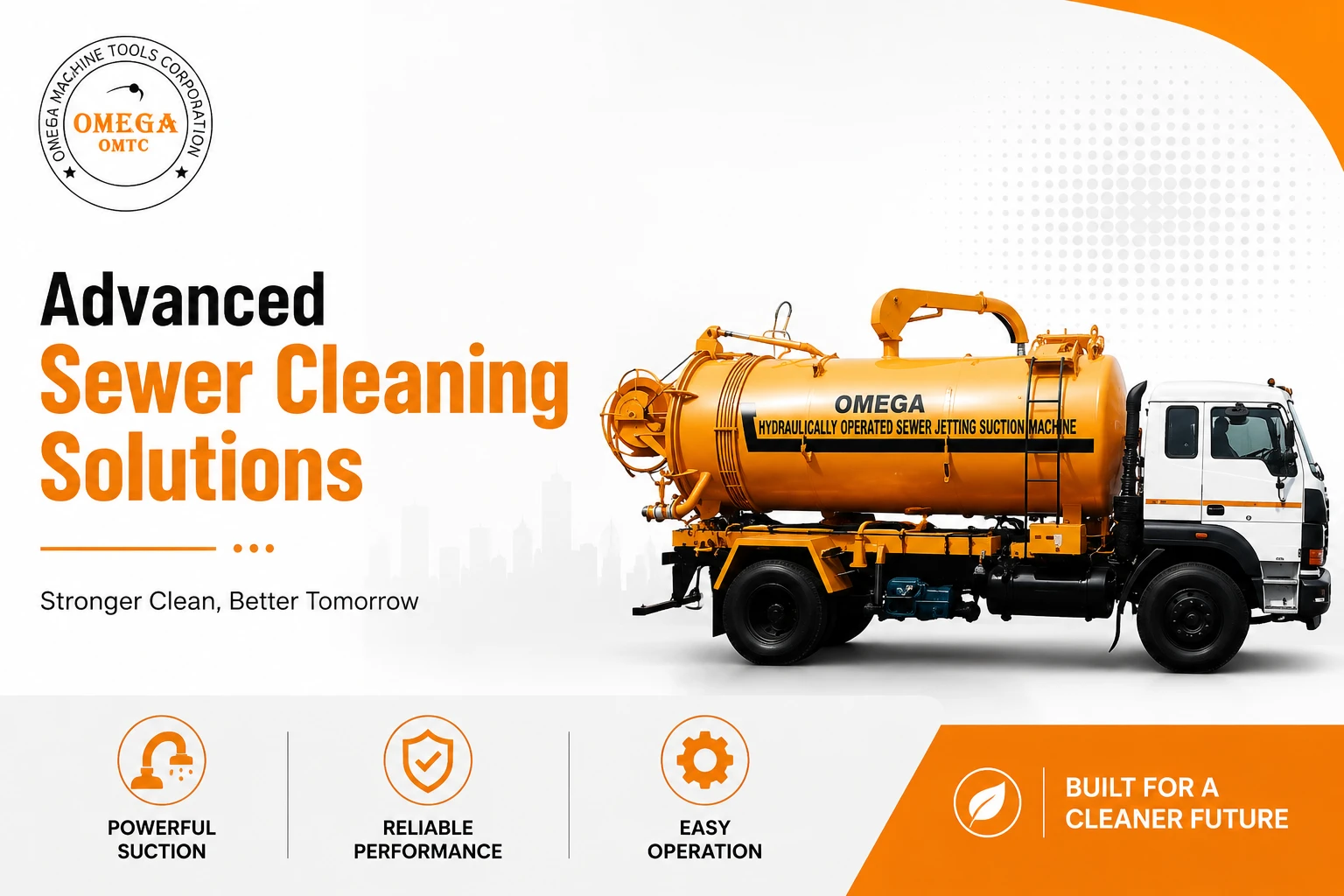
Urban networks and industrial complexes increasingly demand advanced sewer cleaning solutions that combine precision, sp...
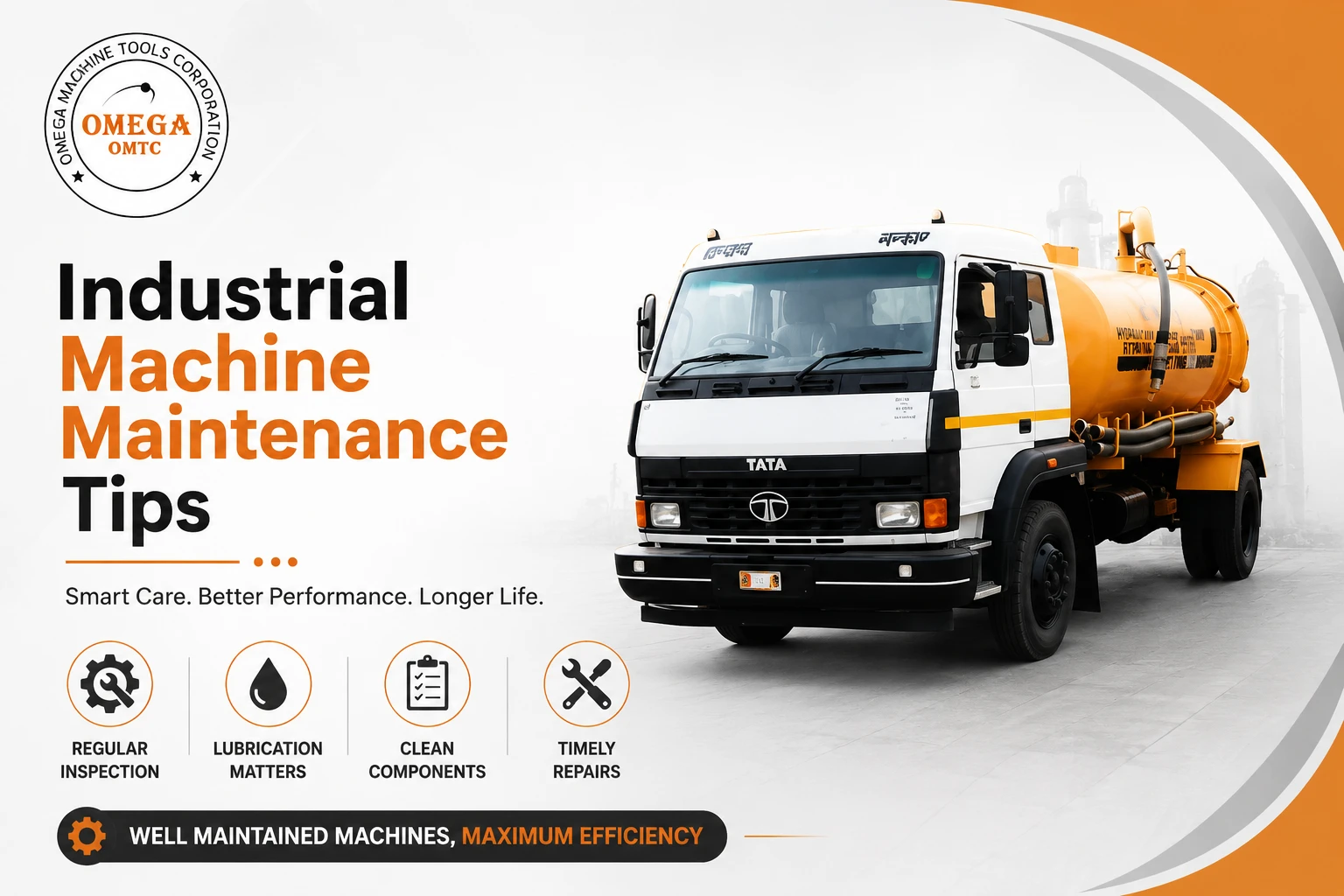
Effective maintenance is the backbone of reliable industrial machine performance, reducing unexpected downtime and prese...

Modern waste management technology focuses on containment, efficient transport, and preparing recovered material for tre...
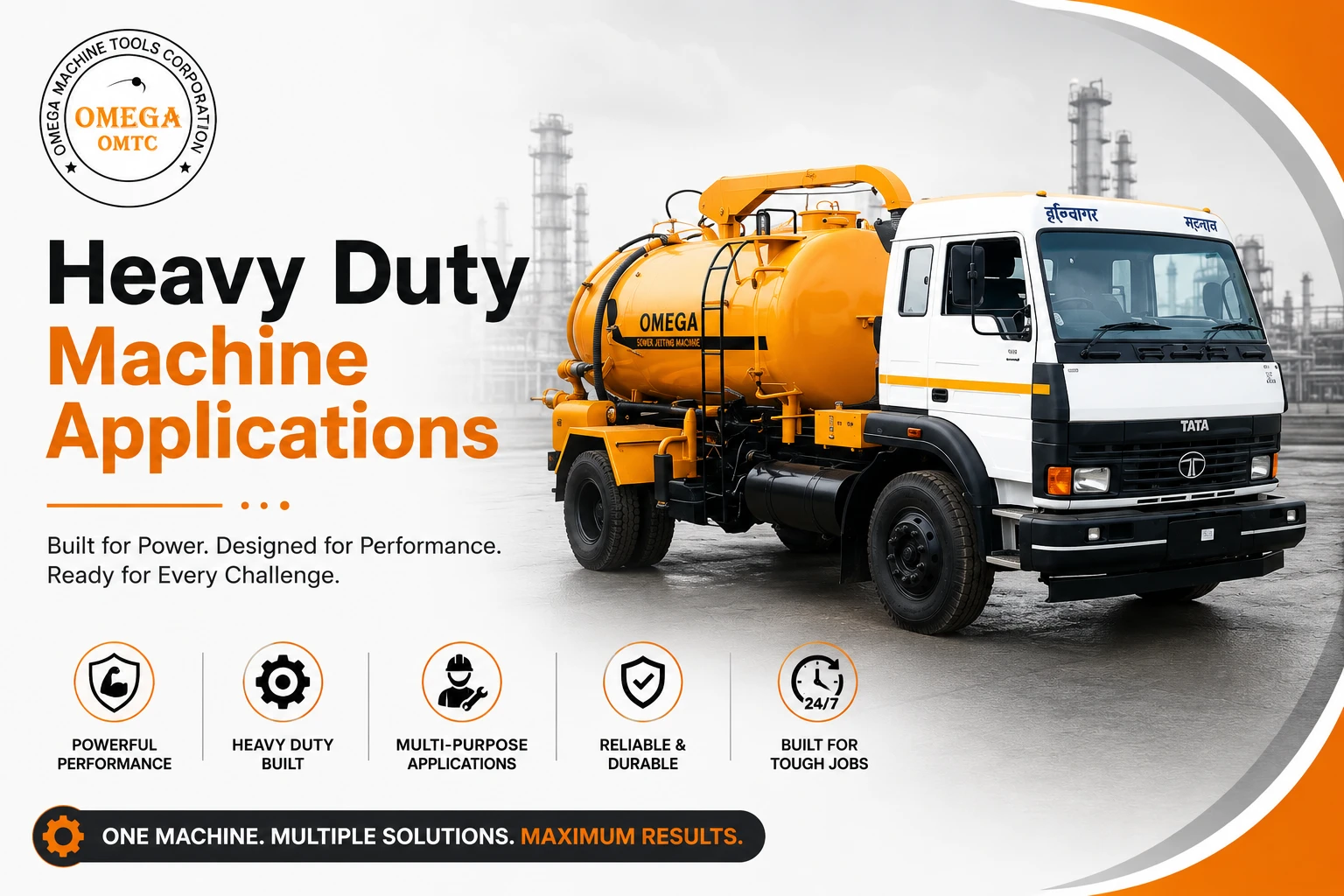
Heavy duty machines serve a spectrum of demanding applications across municipal works, industrial plants, construction p...